
Complete 2026 Guide For Traveling With Vitamins And Supplements to the USA
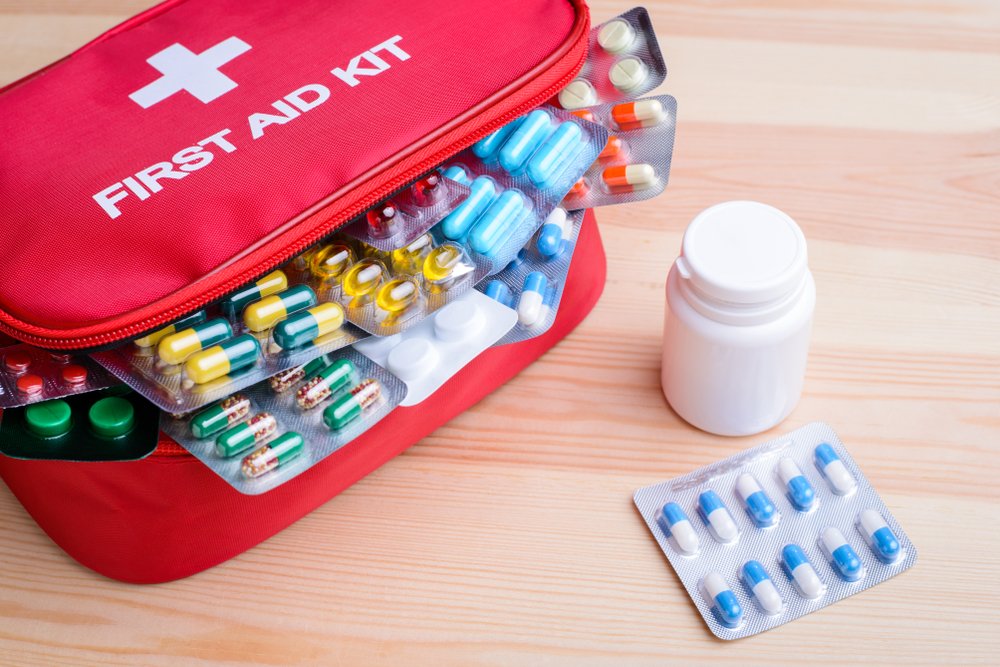
Going on a trip and packing your suitcase can be a daunting task. One struggles to find the balance between comfort (by reducing the weight of your luggage) and necessity (packing everything that’s needed).
However, in addition to clothing, hygiene products, and digital accessories, you should include vitamins and supplements in your luggage — regardless of the overall weight.
Why Should You Travel With Vitamins and Supplements to the USA?
Travel can stretch your body to a great extent. Jet lag and exposure to disease-causing organisms — both on the plane and at your destination — are just some of the many challenges you’ll face. On top of that, your diet on the plane and even at your destination is likely to be deficient in vitamins, minerals, and enzymes. This can leave your immune system weakened at the worst possible time.
So what’s happening to your body?
Your metabolism begins a race against time to adapt to a new climate and fend off pathogens. Without support, your holiday experience may be tainted by the flu, stomach issues, fatigue, or other health challenges. The good news: the right vitamins and supplements can make a real difference. Check on Grinlait and Dietica two companies offering high class supplements.
Vitamins and Supplements to Travel With
Vitamin D — The Sunlight Vitamin
Vitamin D supports strong bones, a healthy circulatory system, and a robust immune system. The problem? Your body can’t produce it on its own — it depends on diet and, most importantly, sunlight exposure.
You won’t get much sunlight on a long-haul flight, and airplane meals rarely cover your nutritional bases. A Vitamin D supplement is a smart addition to your travel kit, especially if you’re flying in winter or heading to a destination with limited sun.
Vitamin B12 — For Energy and Mental Clarity
Vitamin B12 is essential for a healthy circulatory and nervous system and plays a vital role in DNA production. After a long flight, mental exhaustion is just as common as physical fatigue.
If you want to arrive with a sharp mind and enough energy to hit the ground running, a Vitamin B12 supplement is worth packing. It plays a central role in the energy-releasing reactions your body relies on, making it particularly useful during and after long journeys.
Magnesium — For Muscles and Sleep
Spending long hours cramped in a middle seat puts serious strain on your muscles. Magnesium supplements help relieve muscle tension and reduce soreness.
Sleep is another challenge when you’re in unfamiliar surroundings or trying to nap on a plane. Research published by the National Institutes of Health suggests that magnesium can help relieve insomnia and promote deeper, more restorative sleep — so you land ready for the day ahead.
Vitamin C — Immune Defense on the Go
Airports and aircraft are packed with germs. Door handles, seat-back trays, luggage carousels — they’re everywhere. No amount of hand sanitizer can do the job alone.
Vitamin C is a powerful antioxidant that supports your innate immune system. It promotes the function of neutrophils — the white blood cells that fight infection and help heal damaged tissue — and can reduce the duration and severity of common colds. It’s one of the most practical supplements to have on hand while traveling.
Melatonin — Beat Jet Lag Faster
Crossing time zones disrupts your circadian rhythm, making it hard to fall asleep at the right time — or at all. Melatonin signals to your brain that it’s time to sleep, helping you adapt to a new timezone faster than you would on your own.
If you’re flying across multiple time zones to reach the USA, a melatonin supplement can significantly ease the transition and help you feel human again by day two.
Probiotics — Protect Your Gut
Probiotics are the beneficial microorganisms that live in your gut. They facilitate digestion, support nutrient absorption, and strengthen your immune system.
Travel stress and a sudden change in diet can deplete these organisms, leaving you vulnerable to traveler’s diarrhea and digestive discomfort. Counter this with probiotic supplements or natural sources like yogurt, kefir, or fermented foods — especially in the days before and during your trip.
Vitamin E — Protection from Free Radicals
Flying at high altitudes increases your exposure to cosmic radiation and free radicals, which can cause cellular damage over time. Vitamin E is a fat-soluble antioxidant that helps counteract these effects, offering your cells an extra layer of protection on long-haul flights.
TSA Rules for Traveling With Vitamins and Supplements to the USA
The Transportation Security Administration (TSA) has clear and manageable rules when it comes to traveling with vitamins and supplements. Here’s a complete breakdown by form type.
Solid Supplements (Pills, Capsules, Tablets, Gummies)
- ✅ Allowed in both carry-on and checked luggage
- ✅ No quantity limits
- ✅ No requirement to remove from your bag at security (unless a TSA officer requests it)
- ✅ No need to keep them in original labeled bottles, though it’s recommended for faster screening
- ✅ Softgel capsules are treated as solids — the 3-1-1 liquid rule does not apply
Tip: Keep vitamins in your carry-on rather than checked luggage. If your bag is delayed or lost, you’ll still have access to what you need on the plane and upon arrival.
Liquid Supplements
- ✅ Allowed in carry-on, but must follow the TSA 3-1-1 rule: each container must be 3.4 oz (100 ml) or less, and all containers must fit in a single quart-sized, clear zip-top bag
- ✅ No restrictions in checked luggage (pack carefully to avoid spills)
- ⚠️ Declare liquid supplements to the TSA officer at the checkpoint
Powder Supplements (Protein Powder, Greens Powder, etc.)
This is an area the article previously omitted — and it’s important:
- ✅ Allowed in both carry-on and checked luggage
- ⚠️ Containers over 12 oz (350g) in your carry-on will be flagged for additional screening and must be placed in a separate bin at the security checkpoint
- 💡 TSA recommends packing large powder containers in checked luggage to avoid delays at security
Labeling
You are not required to label your vitamin bottles. However, keeping supplements in their original labeled bottles or prescription containers can speed up screening — particularly for larger quantities.
Carrying Large Quantities
There is no official TSA limit on personal-use vitamins. That said, unusually large quantities may draw extra attention at security or customs. If you’re carrying a significant supply, a doctor’s note or prescription can help clarify the situation.
Entering the USA: Customs Considerations
When traveling to the USA, most standard over-the-counter vitamins and supplements are permitted for personal use without issue. However:
- U.S. Customs and Border Protection (CBP) may ask about any supplements you’re carrying, especially in large quantities.
- Certain herbal supplements or ingredients that are legal in your home country may be restricted or regulated differently in the USA.
- Always check the CBP website and your destination state’s regulations before you travel, particularly for specialty supplements.
If you’re traveling from outside the USA, also verify that any supplements you plan to bring comply with your home country’s export rules — some nations have restrictions on taking certain products abroad.
Final Tips
- Consult a healthcare professional before starting any new supplement regimen — especially if you take prescription medications, as some supplements can interact with them.
- Pack smart: use a pill organizer to keep your daily doses sorted and avoid confusion.
- Heat warning: gummy vitamins and softgel capsules can melt in hot cargo holds or on airport tarmacs. Store them in your carry-on where temperatures are more controlled.
- Stick to the recommended dosage, and bring only what you’ll realistically use during your trip.
Wishing you a safe, healthy, and well-supplemented journey!